
Introduction to Bastar Dussehra: A Unique Tribal Festival
Discover the Spirit of Chhattisgarh’s Grandest Festival
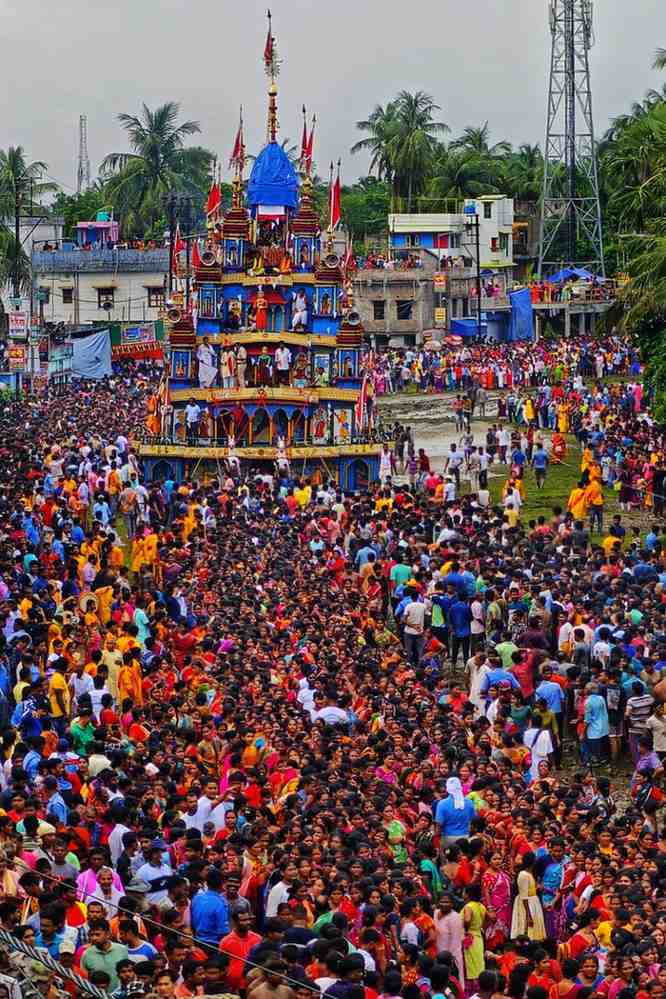
The Bastar Dussehra Festival in Chhattisgarh showcases a deep-rooted tribal culture. This festival differs from other Dussehra events. People do not celebrate the end of Ravana here. The focus is on Goddess Danteshwari instead. She is the main deity of the entire Bastar region. All local tribal communities participate with great fervour. They strongly celebrate their unity and royal heritage.
Discover the Spirit of Chhattisgarh’s Grandest Festival
Bastar Dussehra Jagdalpur attracts many world travellers now. Visitors see ancient rituals and vibrant processions. This guide helps you explore this grand spectacle. We cover all necessary details. You will learn about this huge event. Prepare for a deep cultural immersion experience. This Bastar Dussehra festival is unique.
Bastar Dussehra is celebrated in which state? It is celebrated in the state of Chhattisgarh. When is Bastar Dussehra celebrated? It typically begins in late July or August. It runs until the final Dussehra day in October. Bastar Dussehra is celebrated for how many days? The answer is a stunning 75 days. What is the main festival of Chhattisgarh? It is truly this huge Bastar event. We explore its long history and key rituals next.
Tourists find the atmosphere completely electric.
The devotion of the people is very moving. Also, the sounds of tribal music fill the air. It is a festival of the people, by the people. You will see ancient traditions live on. This cultural wealth is genuinely fabulous. Then, visitors gain an understanding of the local tribal culture. The Bastar Dussehra Festival is a wonderful experience.
The Beginnings of Bastar Dussehra

The Bastar Dussehra Festival boasts a rich history spanning over 600 years. Its tradition began during the Kakatiya dynasty, when King Purushottam Dev initiated Dussehra celebrations, possibly in the 13th or 15th centuries.
King Purushottam Dev undertook a long pilgrimage journey. He visited the famous Puri Jagannath Temple. He received a divine title there for his devotion. He became the ‘Rath-pati,’ or master of the chariot. This critical event inspired the massive Rath Yatra. The King brought this unique ritual back to Bastar. This established the grand celebration we see now.
The history of Bastar Dussehra is closely tied to this royal lineage.
The festival deeply honours Goddess Danteshwari. She is the King’s family goddess, or Kuldevi. The King’s role remains central even today. He supervises all the sacred rituals with great care. Also, he meets with many tribal chiefs.
The history shows a perfect blend of cultures, merging royal customs with tribal traditions to create a unique and powerful cultural event. Bastar Dussehra is a historical and deeply spiritual gathering that demonstrates great respect for the goddess and local spirits. The real story of Dussehra here reflects deep community strength and honours the protective power of Maa Danteshwari.
Historical Anecdotes of the King: Royal Legacy and Legends of Bastar Dussehra
Legend tells of King Purushottam Dev’s great devotion. He walked the entire distance to Puri, in the state of Odisha. This long journey demonstrated his profound faith. He travelled with his whole royal entourage. At Puri, he received a divine vision from the Lord. Lord Jagannath granted him a special blessing.
The King was then given the title of Bastar Dussehra Rath. He could organise his own glorious chariot festival. He returned to Bastar with great joy and plans. He immediately planned his grand annual festival. The Bastar Dussehra Rath today reflects this history. This royal connection solidified the festival’s importance. The King merged the Puri chariot with local tribal rites. This merging is what makes the Bastar festival so unique. It honours tradition from both far and near places. Then, the capital was later shifted to Jagdalpur city.
Maharaja Dalpat Deo shifted the capital to Jagdalpur in 1770 AD.
Then the festival moved completely to Jagdalpur. This decision made Jagdalpur the site of the festival. All the essential rituals are now done in this city. This also further helped tribal unity. The festival became a crucial event for all of Bastar—the Bastar Dussehra festival, which is celebrated by the state to honour its kings. The King remains a central player in all rituals.
The royal family keeps the tradition alive.
The tribal people hold this in deep respect. This historical continuity is very special. It gives significant meaning to the festival. Visitors learn this history quickly.
How Bastar Dussehra is Celebrated in Jagdalpur
Bastar Dussehra is indeed a remarkably long process. The celebrations start long before the main ten days. They begin on the day of Hariyali Amavasya. This happens in the Hindu month of Shravan. It concludes on the 13th day of the Ashwin month.
Bastar Dussehra is celebrated for how many days? The answer is a stunning 75 day
The extended celebration requires meticulous planning. Numerous villages have designated roles. Certain tribes have specific duties. They work together to build a giant wooden chariot. It emphasises the unity of Bastar. The last ten days have been extremely colourful. Tourists should consider visiting again.
The elaborate, beautiful Rath Yatra is an essential aspect of Bastar Dussehra.
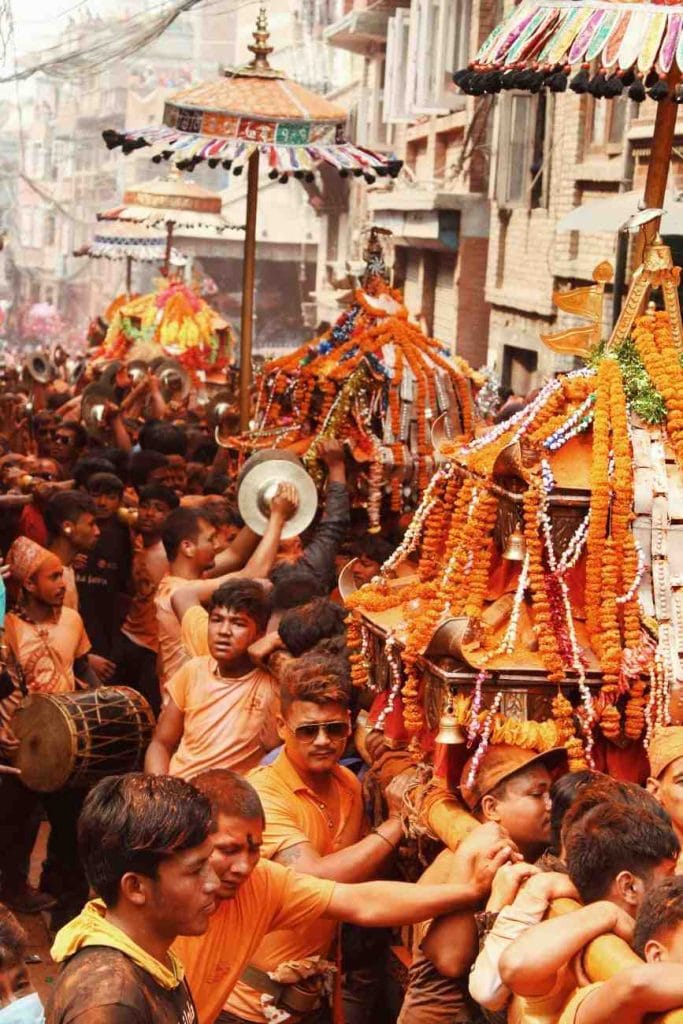
The chariot is often beautifully decorated, but it is slowly moving again. Tribal people pull it through the streets of Jagdalpur. Traditional music and dancing fill the air. The entire city of Jagdalpur comes alive. It becomes a hub of culture and deep devotion. Bastar Dussehra kahan manaya jata hai? It is celebrated mainly in Jagdalpur city.
The festival timeline now consists of three main phases.
- Preparation: Gathering wood and performing sacred rites.
- Finale: The final celebratory period of ten days.
Each period has important observances and carries purposes and meanings. This is a long period that demonstrates the community’s dedication. The tribespeople work together with little fuss. They have mindfulness about what happens step by step. The mood builds, leading to another crescendo, and the activities intensify over the weeks, culminating in a final explosion.
Key Rituals and Traditions
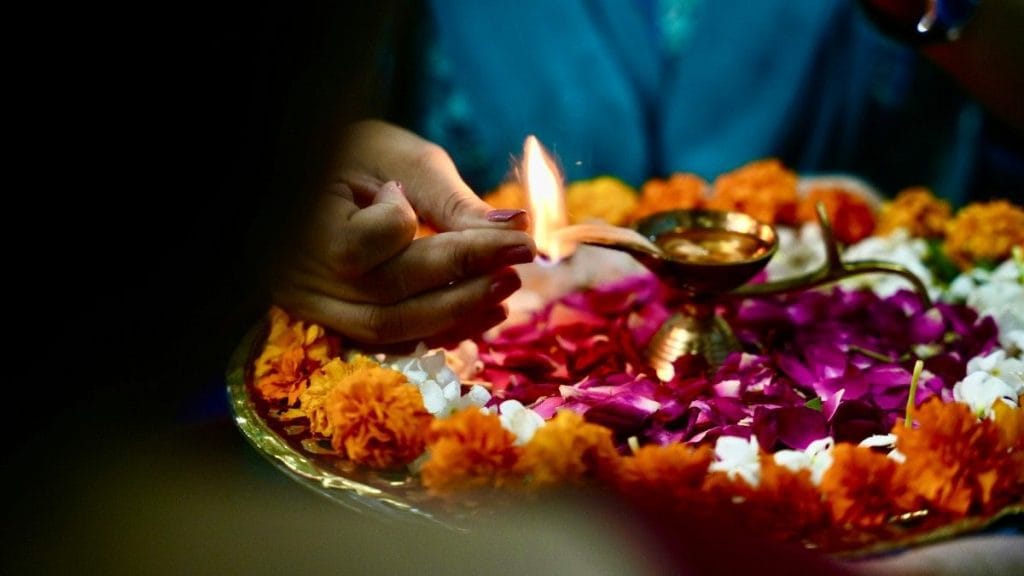
The festival involves a fascinating sequence of rituals. Each one has a deep historical meaning here. They seamlessly blend royal customs with tribal spirituality.
Pata Jatra and Deri Gadhai
The festival begins with the Pata Jatra ritual. Pata Jatra involves reverent worship of the wood. Villagers carry a sacred Sal log from the forest, destined for chariot construction. This ritual displays deep reverence for nature and forges a connection between the tribal people and their ancestral forests. Participants offer prayers to the wooden beams.
This ceremony takes place on Hariyali Amavasya. It is a quiet but essential start. The first piece of wood is worshipped solemnly. This is called TurluKhotla locally. This ritual consecrates the wood for the divine chariot. People seek permission from the forest spirit. This ensures the construction is smooth and blessed. It is the very first step of the 75-day process.
Then, the Deri Gadhai ceremony follows. This involves planting the sacred pillar firmly in place. This pillar stabilises the festival ground. It signifies the formal foundation of the event. They perform sacred rites at the Sirhasar Bhawan. This ensures stability for the long celebration. The pillar stands tall throughout the entire 75 days. It is a potent symbol of stability and power.
Jogi Bithai
The Jogi Bithai ritual begins next in the process. This is one of the most unique acts. A young priest undertakes a severe vow of devotion. He sits buried in a small, consecrated pit. He stays in this pit for nine days straight. He remains in deep, silent meditation at all times. The priest is often from the Halba tribal community.
This severe penance ensures the festival runs smoothly. It is a powerful act of spiritual dedication. This commitment symbolises peace and harmony. The pit is located near the Danteshwari Temple. The priest is highly honoured at the end of his vow. His sacrifice guarantees the success of the rituals. This practice shows deep commitment to faith. The fast brings good luck to the entire Bastar region. Visitors often feel the solemnity of the place.
Kachan Gadi
This ritual marks the formal start of the main events. It occurs on the night of the full moon, also known as Kunwar Amavasya. The royal family requests permission to begin the festival. This request goes to Goddess Kachan Devi directly. A young girl becomes the living medium for the Goddess. This girl sits on a swing made of sharp thorns. This is the Bastar Dussehra Kachan Gadi ritual.
She gives the symbolic permission to the King. The festival does not officially commence until her consent is obtained. This is a highly sacred and solemn ceremony, representing a temporary transfer of power. The girl is generally unmarried and a member of the Panaka caste. She is entirely dressed like a queen. Her sitting on the thorns indicates tremendous power. The King receives her divine permission. This permission is quite significant, both in its dramatic and ceremonial aspects.
Rath Yatra (Parikrama)
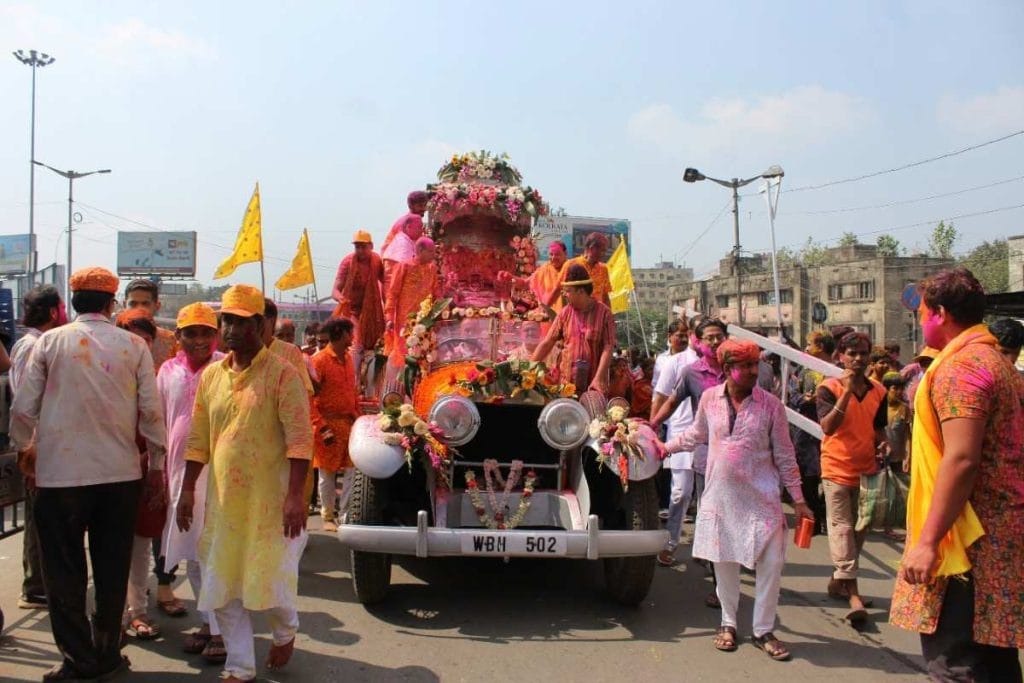
The construction of the great chariot is a ritual in itself. Different villages bring the needed wood correctly. The chariot, or bastar dussehra rath, is very massive. Local artisans and tribes build it from scratch yearly. The main procession is the Bastar Dussehra Rath Yatra. The idol of Goddess Danteshwari is placed inside. Hundreds of people pull the majestic chariot proudly.
The sight is truly breathtaking and loud. It involves two different chariots each year. A four-wheeled rath is used first for seven days. This is the best Dussehra Rath procession. Then, an eight-wheeled rath is used for the finale. The entire construction takes many weeks of effort. The pulling of the chariot symbolises community service. All castes and tribes join this massive, shared effort. It is an enormous display of sheer force. The whole town gathers to watch the chariot move.
Muria Darbar and Bheetar Raini
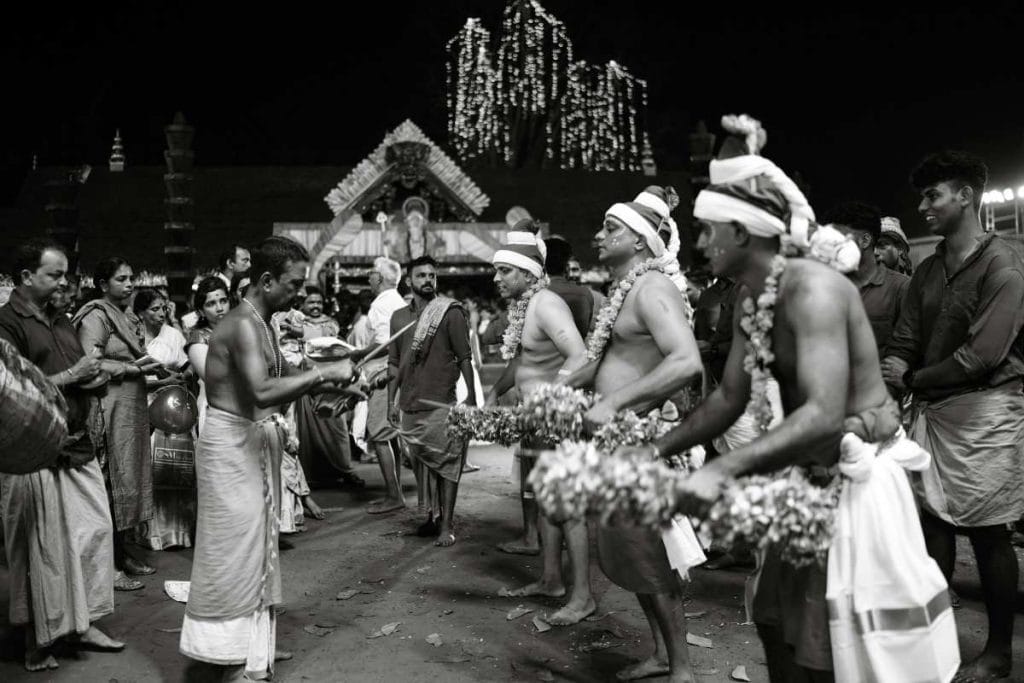
The Muria Darbar is a key social tradition. The word ‘Darbar’ means royal court. It is a royal assembly of all tribal chiefs. The Darbar takes place on the last day of the festival. The King of Bastar presides over this important event. Tribal leaders come from many distant villages. They present their issues to the King and officials.
The Muria Darbar acts like an ancient tribal parliament. It promotes dialogue and profound unity among all groups. This tradition reinforces the community bond. This tradition has endured for centuries. It ensures the King listens to his people. This promotes a truly democratic spirit here. The King solves disputes among the people.
Next, the Bheetar Raini ritual occurs. This is the ritual chariot-stealing event. Historically, tribal chiefs stole the rath. They wanted to show their tribal power strongly. The King found the stolen chariot and made a truce. On the final night, the rath is ceremonially ‘taken.’ This symbolic act acknowledges and pays respect to the voice of the tribe, while also recording a tradition and sharing the power. People can often see this at night when they are visiting. It is a unique ending ceremony here. It is the end of the main festival period.
Cultural Significance

The Bastar Dussehra festival is a celebration of identity and culture. It is the very heart of Bastar’s tribal life. What is the main festival of Chhattisgarh? Many confidently say it is Bastar Dussehra. It unites many diverse tribes of the region. They all come together for a shared spiritual purpose. This unity is very central to the festival.
The festival now honours many local deities. It respects the Earth Goddess deeply. This reflects the strong animistic beliefs of the tribes. Nature is often regarded as divine and sacred. The Bastar Dussehra festival is rich in this culture. It is a living, breathing museum of ancient customs. It preserves traditions unchanged for centuries. The blend of beliefs is truly special.
Stories of Tribal Customs and Legends:
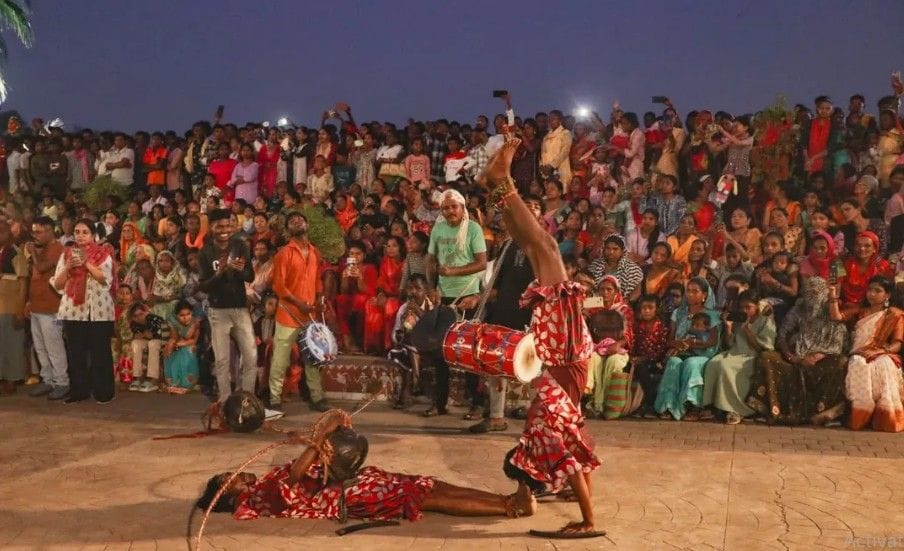
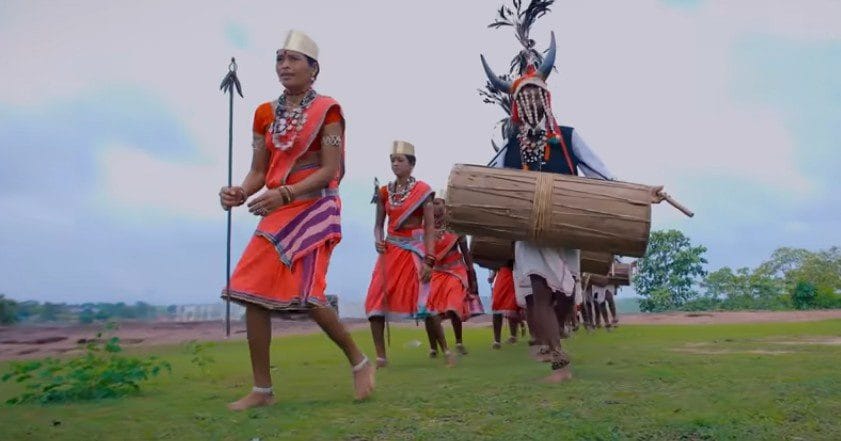
The tribes believe every ritual is entirely essential. The Halba, Muria, Bhatra, and Dhurwa tribes all have key roles. The Halba people often handle the Jogi Bithai. They guard the sacred post carefully, constantly. The Muria tribe is renowned for its excellent dancing and performing skills. They bring great joy and energy to the processions. Their unique folk dances entertain the vast crowds.
Each tribe offers wood, rope, or their labour in exchange. This shared work makes the festival successful. Legends say the Goddess herself chose Bastar. She now protects the people from all harm. This belief drives the deep devotion seen here. What is the real story of Dussehra here? It is the story of a community protecting its ancient faith. This ancient faith guides their daily lives. These stories have been passed down through generations orally.
Cultural Exchange and Unity:
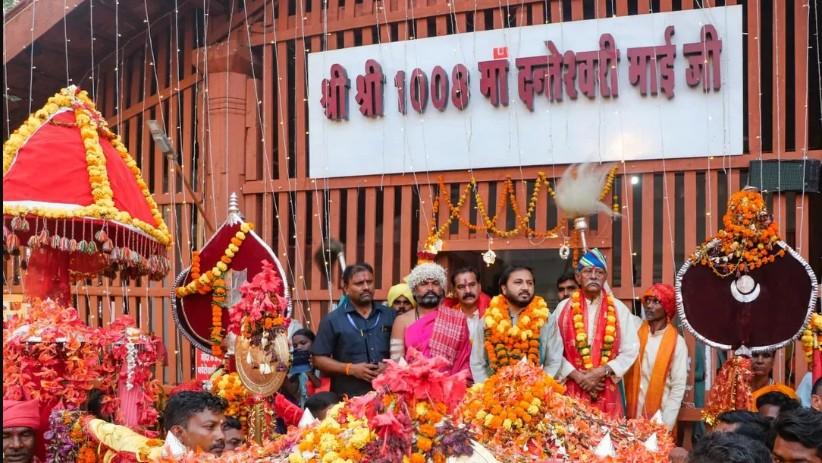
The festival is a massive congregation event. Deities from 600 villages gather here. They are brought to Jagdalpur in palanquins. This is called the Devgudi gathering. This shows the vastness of the tradition. It is an excellent meeting of gods and all the people. They collectively seek the Goddess’s blessings. This unity is the strongest message of Bastar Dussehra. The festival promotes great social harmony. It significantly reinforces the local social structure—the entire community functions as a cohesive unit.
The festival also celebrates local history. It respects the connection to the dense forest. This deep bond is seen in the Pata Jatra ritual. The festival is a remarkable representation of the community. Visitors experience an authentic democratic spirit keenly. This is what makes the Bastar Dussehra festival unique. Here, tourists can feel the profound shared belief. The event provides robust support for regional identity.
Tourism and Nearby Attractions
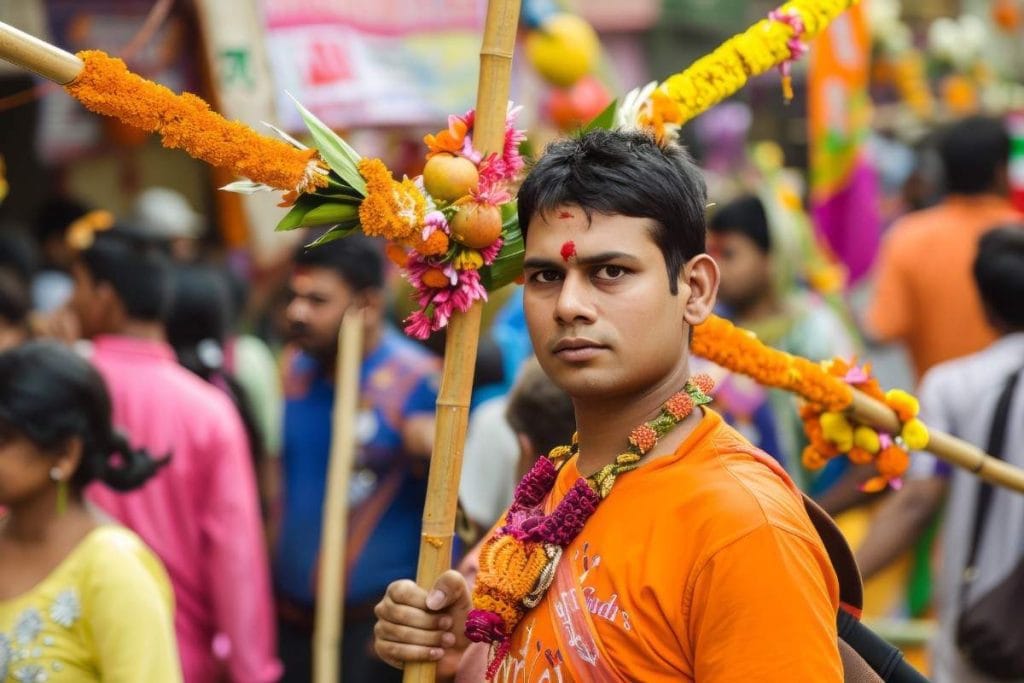
The Bastar Dussehra festival is ideal for tourists. Here is a truly unique perspective on tribal life. Tourists should plan to stay in Jagdalpur. Many hotels and guesthouses are readily available. Book your stay well in advance, though. The entire Bastar region is stunningly beautiful. Visit during the last ten days for the best view.
Tourist Experience: Markets and Cuisine:
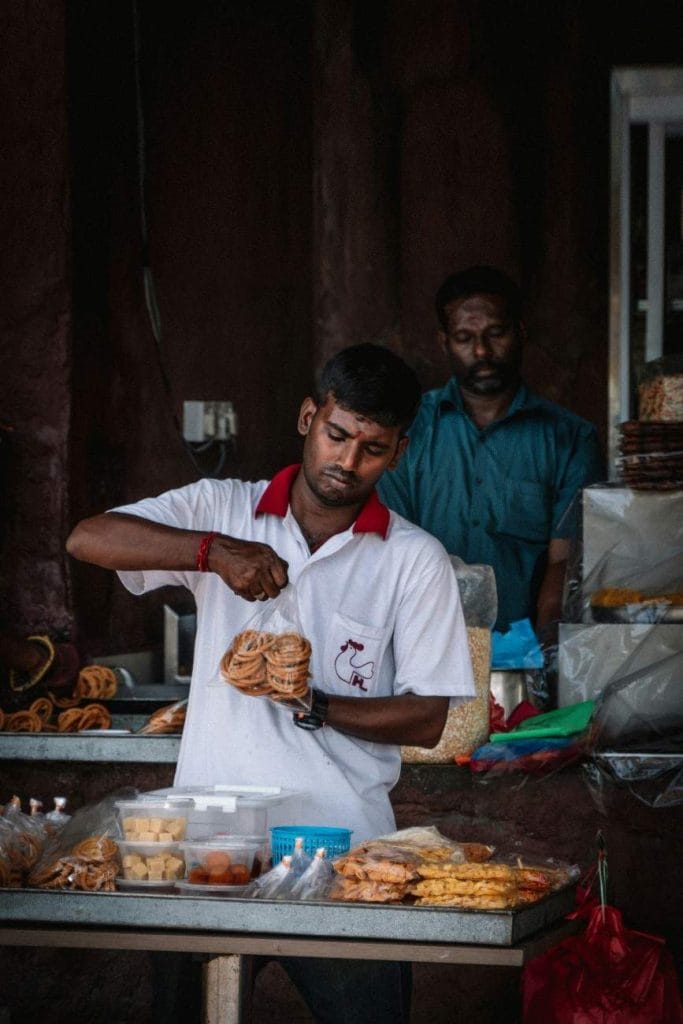
The festival features vibrant local markets, known as melas. You can find unique tribal handicrafts here. Look for bell metal art, called Dhokra. This craft uses the ancient lost-wax technique. Wood carvings and terracotta items are also famous. You can buy beautiful Bastar Dussehra painting works. These pieces depict the rituals and deities associated with them.
Try the delicious local cuisine from Bastar here. Enjoy a taste of authentic tribal food.
- Mandia pej is a popular local porridge.
- It is made from healthy millet grains.
- Chaprah is a spicy red ant chutney.
- It is a local delicacy to try carefully.
Local markets sell fresh, organic produce. Eating local food significantly enhances your experience. The atmosphere is lively and highly engaging—sample delicious regional sweets. Try Puran Poli or Aarsa bread treats. These are traditional festival sweets. The food stalls offer great photo opportunities. The markets are busy and full of life. This is the true spirit of Bastar Dussehra Jagdalpur.
Handicrafts and Souvenirs:
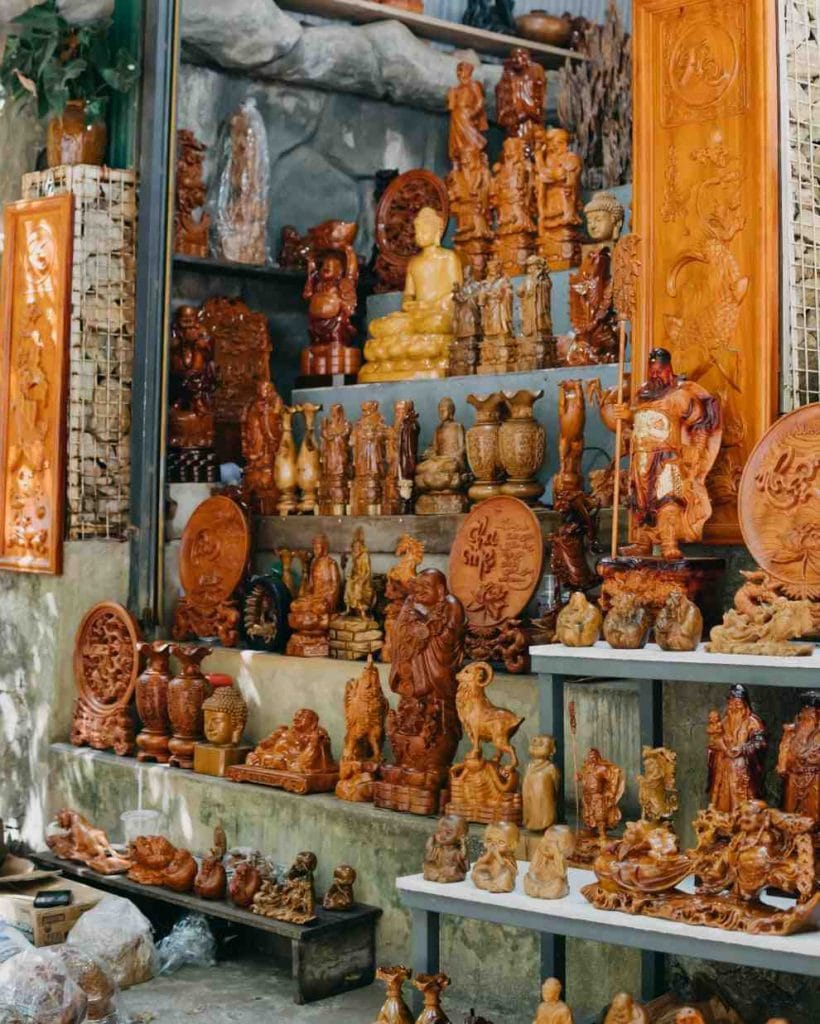
- Look for Dhokra Art figures.
- They depict animals, deities, and aspects of tribal life.
- The Kondagaon area is renowned for this art form.
- See beautiful wrought iron pieces also.
- They make lamps, holders, and decorative items.
- Buy local terracotta earthenware.
- Vases, pots, and sculptures are available.
- Look for local handloom textiles.
- They feature traditional tribal patterns.
- Buy a Bastar Dussehra painting souvenir.
These purchases strongly support local artisans. They help keep ancient traditions alive today. Buying a souvenir directly benefits the community. Visitors then take home a piece of Bastar culture.
Nearby Attractions to Jagdalpur:

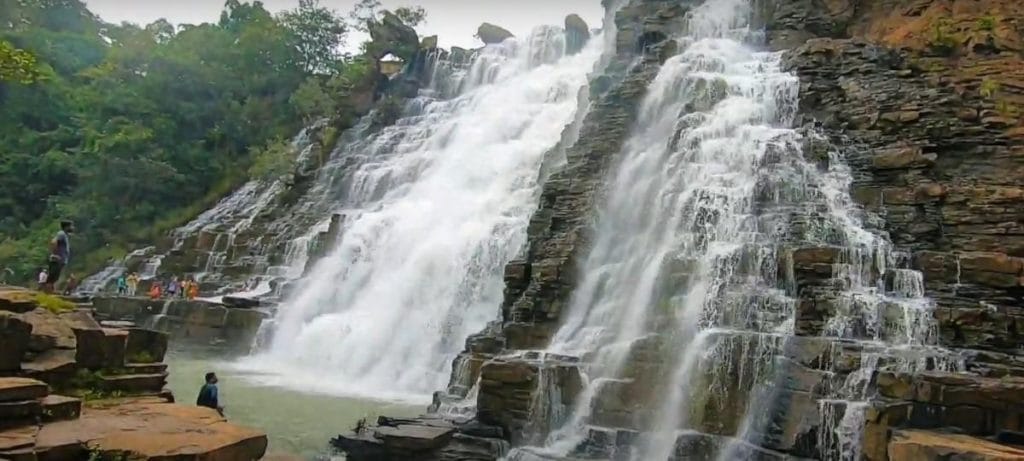

The Bastar region offers a wealth of things to explore.
- Chitrakote Waterfalls are often referred to as the ‘Niagara of India’. These vast horseshoe falls are magnificent. Visit during the monsoon season for the best view. It is a fantastic spot for photography. The sheer power of the water is impressive.
- Tirathgarh Waterfalls: These falls cascade down multiple steps. They are inside the Kanger Valley National Park. You can explore the Kutumsar Caves nearby. The natural beauty is simply stunning.
- Kanger Valley National Park: This park protects dense forests. It is home to a diverse array of wildlife and a rich natural environment. It is a true birdwatcher’s paradise. This park is a peaceful retreat, set far away from the city’s hustle and bustle.
- Danteshwari Temple, Dantewada: This is the original, ancient temple site. It is a revered Shakti Peetha. The Goddess is deeply connected to the festival. It holds immense spiritual importance.
Practical Tourist Tips:
Plan your travel to Jagdalpur well. Jagdalpur has an airport and a train station. Book your hotel early for the best options. Dress modestly when visiting temples and rituals. Always be respectful of local customs. Carry enough cash for market purchases. The people are always welcoming. Be prepared for a rich cultural experience—rural immersion. Check the festival schedule online first.
Bastar Dussehra Images and Art
The Bastar Dussehra festival is a visual masterpiece. It is a paradise for any serious photographer to capture the true essence of tribal life in vivid detail. Life vividly. The vibrant colours of the tribal attire stand out. The giant wooden chariot is a perfect subject. The intricate carvings are beautiful and detailed. You can capture the raw emotion of the devotees.
Photography Tips for the Festival:
- Always ask before photographing any people.
- This shows great respect for their local culture.
- Morning and late afternoon light work best.
- It adds a warm glow to the entire scene.
- The golden hour is ideal for portraits.
- Focus on the grand Bastar Dussehra Rath Yatra.
- Capture the sheer force of people pulling the rath.
- Use a fast shutter speed for all the motion.
- Photograph the beautiful bell metal art.
- Capture the tribal jewellery and headdresses.
- Zoom in on the chariot carvings carefully.
- Capture the Kachan Gadi and Jogi Bithai rituals.
- Be very quiet and respectful during these times.
- Never use flash inside sacred areas.
- Capture the tremendous energy of the melas.
- Show the happy faces of the families.
- The crowd itself is a powerful visual element.
Bastar Dussehra painting, along with local artwork, provides both the story and the placement of these objects.
The artists do a beautiful job illustrating the complicated beauty of Kachan Gadi and of portraying the splendour of the Muria Darbar. But these works of art are more than paintings. Each is an ideal memento for capturing the spirit of the festival for long-lasting memories. The tribal artists used only natural colours, painting on cloth fabrics or treated wood—a very efficient and straightforward way to convey information. They also did an excellent job capturing the true spirit of the entire event.e Seek out local artists vending and support them directly using the art you buy. The colours are also meaningful in context, as red represents energy and sacred power, yellow symbolises bright sunlight and life, and green evokes the lush green of the dense Bastar forests. Each colour defines the unique character of the land. The art is a priceless window into the local soul. The paintings also make wonderful gifts.
FAQs
Q: Where is Bastar Dussehra celebrated?
A: It is celebrated in Jagdalpur city. This city is the headquarters of the Bastar district. It is located in Chhattisgarh, India. Bastar Dussehra kahan manaya jata hai? In Jagdalpur.
Q: What is the main festival of Chhattisgarh?
A: Bastar Dussehra Festival is a prominent festival, the longest festival in the world, which represents the best of Chhattisgarh’s culture.
Q: How is Bastar Dussehra different from normal Dussehra?
A: Normal Dussehra celebrates Lord Rama’s victory over Ravana. Bastar Dussehra does not celebrate Lord Rama; instead, it celebrates the Goddess Danteshwari. It focuses on the unity of all local tribes. What is the real story of Dussehra here? It is a story of nature and tribal power.
Q: When is Bastar Dussehra? A: It is celebrated for 75 days total. It typically starts in late July or August. The main rituals take place during the Hindu month of Ashwin. When is Bastar Dussehra celebrated? The exact date varies yearly. Varies yearly.
Q: What is the Kachan Gadi ritual?
A: Bastar Dussehra Kachan Gadi is a key ritual. A young girl sits on a swing of thorns. She gives the royal family permission to start. This is a crucial, symbolic act.
Q: How many days does the festival last?
A: Bastar Dussehra is celebrated for how many days? The festival lasts for an incredible 75 days. This makes it the world’s longest Dussehra.
Q: Which state celebrates the Bastar Dussehra?
A: Bastar Dussehra festival, which is in the state of Chhattisgarh. It is a central part of Chhattisgarh culture.
Q: What is the significance of the Bastar Dussehra Rath?
A: The Bastar Dussehra Rath carries the Goddess. It symbolises her journey through the kingdom. Pulling the rath promotes great community spirit.
Q: Where can I see Bastar Dussehra images?
A: Many official tourism sites show Bastar. Photographers also share them on stock websites. Websites, too. They are colourful and compelling images.
Q: What is the history of Bastar Dussehra?
A: Bastar Dussehra history dates back to the 13th-15th century. King Purushottam Dev started the Rath Yatra tradition. It is a long, wealthy royal and tribal history.
Q: Is Bastar Dussehra kya hai, a religious festival?
A: Bastar Dussehra kya hai? It is deeply religious and cultural. It is a grand display of faith. It is also a major tourism attraction. Traction also.
Conclusion
The Bastar Dussehra Festival is truly unforgettable. It is a profound journey into ancient history and deep spirituality. You can now witness this firsthand. The Bastar Dussehra Rath Yatra is magnificent. Experience the kindness of the tribal people. See their devotion and vibrant culture.
Plan your visit to Jagdalpur, Chhattisgarh, soon. See the longest festival in the whole world. It is a profound and enriching experience. You’ll get to take home tales and extraordinary visuals of Bastar Dussehra. These memories will be etched in your mind for life. This spectacular celebration represents unity in full force. It represents the force of collectively shared traditions. A traditional gem you want to experience. The true magic of Bastar awaits you. It’s the best that the Bastar Dussehra in Chhattisgarh has to offer. Your journey awaits you, and we are delighted to have you here!