
Experience the Sacred Spirit of Rajim Kumbh Mela in Chhattisgarh

1. Introduction
Rajim Kumbh Mela is one of the most sacred festivals of Chhattisgarh.
It is held every year in Rajim, a small town in the Gariaband district.
This holy event takes place at the Triveni Sangam, the meeting of three rivers.
The rivers are the Mahanadi, Pairi, and Sondur.
Due to this holy confluence, Rajim is also known as the “Prayag of Chhattisgarh.”
The mela usually begins on Magh Purnima and continues till Maha Shivratri.
During this time, thousands of devotees take a dip in the sacred water.
People believe this bath washes away sins and brings peace and salvation.
Rajim Kumbh Mela beautifully blends devotion, culture, and spirituality.
2. Historical Background of Rajim Kumbh Mela

The history of Rajim Kumbh Mela is ancient and deeply spiritual.
Rajim has been a centre of religion and culture since early times.
According to legends, Lord Vishnu once appeared here as Rajivalochan.
This divine form gave Rajim its sacred identity.
Scriptures and local folklore describe Rajim as a holy place for centuries.
Earlier, it was known as a peaceful spot for meditation and penance.
Over time, the place grew famous as more saints and devotees gathered here.
The modern Rajim Kumbh Mela originated with the support of local saints and the government.
It now attracts pilgrims from across India every year.
3. Religious Significance of Rajim Kumbh
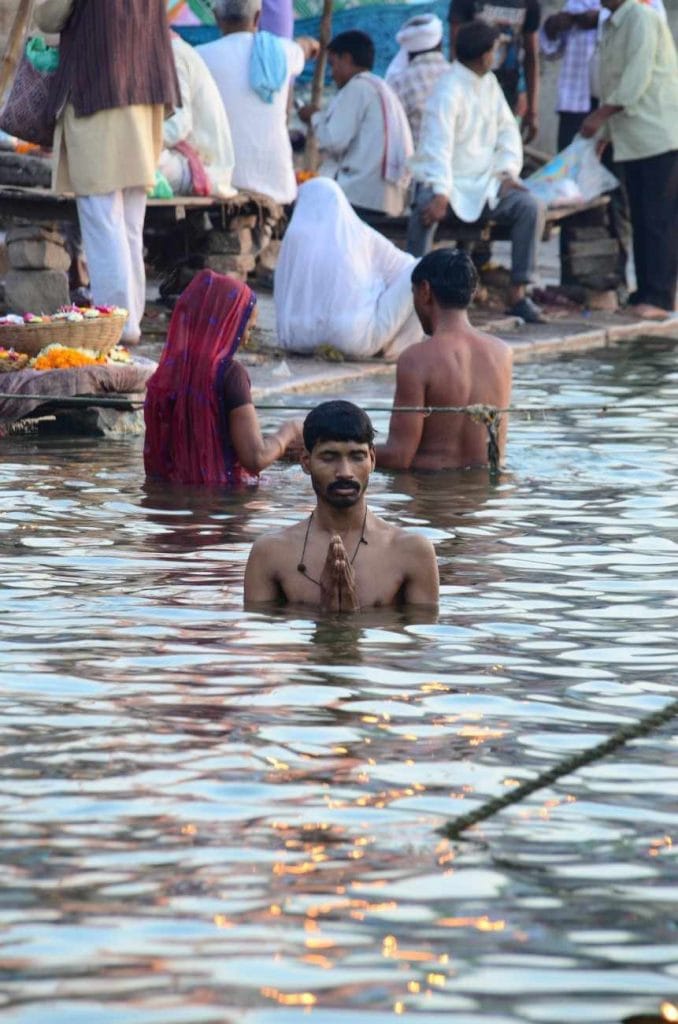
Rajim Kumbh holds immense spiritual value for Hindus.
Bathing at the Triveni Sangam is believed to purify body and soul.
Devotees come here seeking blessings and freedom from past sins.
Many believe a dip here grants moksha, or liberation.
The mela is also compared to the great Kumbh Melas of India.
Just like Prayagraj or Haridwar, Rajim celebrates faith and unity.
While a festival is taking place, saints, sadhus, and mahants gather for spiritual engagement. While this is happening, they perform yajnas and pujas and share from various sacred texts. The holy energy fills the whole town with divine vibrations.
4. The Spiritual Environment and Major Attractions
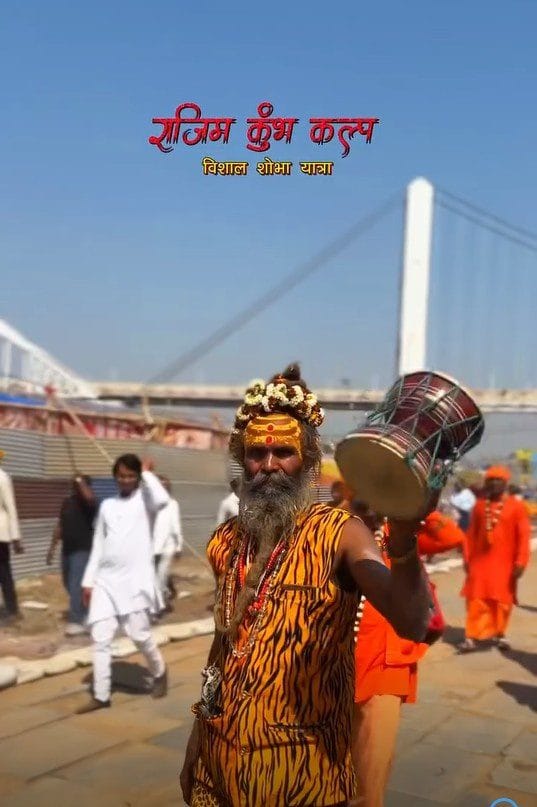
At Rajim Kumbh, mornings commence with prayers and holy chants.
Devotees perform rituals at the ghats as conch shells echo through the air.
You can practically smell the devotion and sacred chants in the air.
Bhajans, Kirtans, and religious processions give us a divine experience.
The primary focus of the congregation is the Rajivalochan Temple, dedicated to Lord Vishnu.
Its architecture and carvings display the ancient Indian craftsmanship.
Other notable temples include the Kuleshwar Mahadev Temple and the Pandav Temple.
Akharas and camps host saints who deliver spiritual discourses.
Naga sadhus also participate, adding a traditional touch of grace to the mela.
5. The Grand Celebration and Key Events

The Rajim Kumbh Mela opens with grand rituals and ceremonies.
The holy bath or “snan” at the Sangam marks the beginning.
Devotees bathe early in the morning, chanting mantras and prayers.
Throughout the mela, yajnas, aartis, and bhajan evenings take place daily.
Saints organise spiritual debates and discourses on dharma and life.
Colourful processions move through the streets, accompanied by music and dance.
The mela also features exhibitions of Chhattisgarh’s art and crafts.
Local food stalls offer visitors a variety of delicious regional cuisines.
The closing day of Maha Shivratri draws the largest crowd of all.
6. Rajim Triveni Sangam: The Heart of the Mela
Rajim’s Triveni Sangam is the main centre of attraction.
It is where the Mahanadi, Pairi, and Sondur rivers meet in harmony.
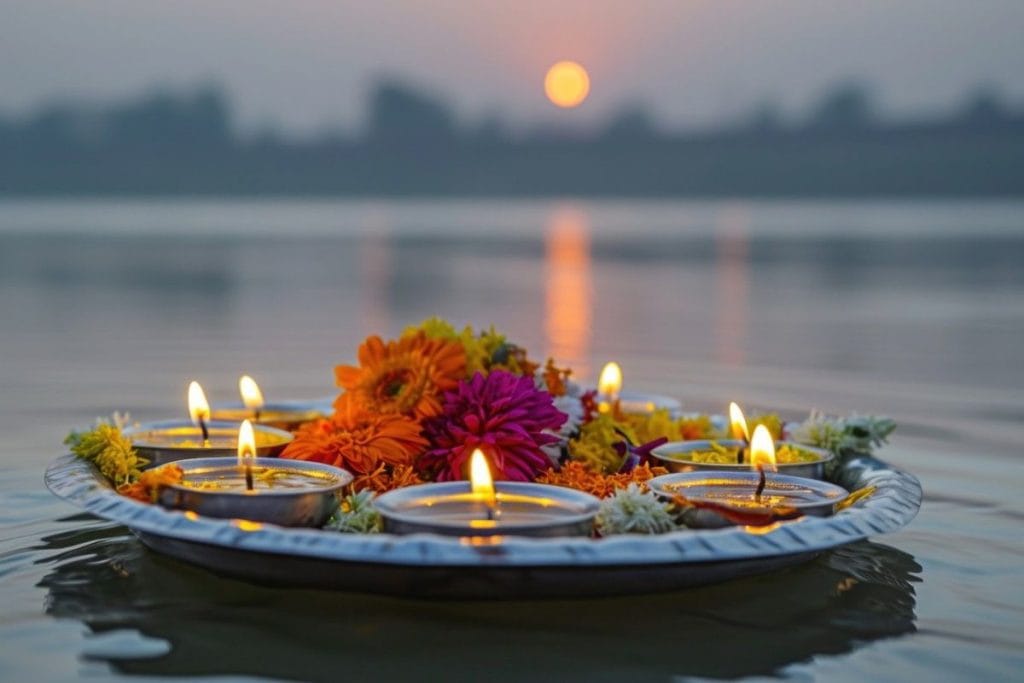
The coming together of the rivers is considered to represent purity and balance. Pilgrims feel that it has divine energy. They say prayers and let flowers float on the water. The sunrise at the river is beautiful. It draws many photographers and travellers. At night, lamps and chants fill the air; the Sangam is alive with sacred energy and fervent devotion.
7. Rajivalochan Temple and Nearby Temples
The Rajivalochan Temple is the spiritual centre of Rajim.
It is dedicated to Lord Vishnu, who is worshipped here as Rajivalochan.
The temple features the traditional Nagara-style architecture, known for its elegant and detailed design.
Its pillars and carvings depict stories from Hindu mythology.
Every year, special rituals are held during the Rajim Kumbh period.
There are also nearby holy temples such as Kuleshwar Mahadev and the Pandav Temple. Each of these temples has a particular mythological story and historical significance. Many people are led to visit these temples during their pilgrimage to Rajim. These temples, as ancient buildings, symbolise the cultural diversity of Chhattisgarh.
8. Cultural and Social Importance of Rajim Mela
Rajim Kumbh is not only a religious fair but also a cultural festival.
It unites people from different backgrounds through faith and art.
Traditional dances, folk songs, and plays are performed every evening.
Local artists display their crafts and handlooms in stalls.
The mela provides job opportunities to local vendors and villagers.
It boosts the rural economy and tourism in the region.
Media and photographers capture the lively spirit of the festival.
The event promotes harmony, unity, and pride in Chhattisgarh’s culture.
9. Pilgrims and Tourist Experience
Lakhs of pilgrims visit Rajim during the Kumbh Mela.
The administration arranges accommodation, clean ghats, and safety measures.
Temporary tents and guesthouses are built for the devotees.
Volunteers guide visitors and help maintain discipline and order.
Reaching Rajim is easy, as it is well-connected by road and rail.
Raipur, the capital city, is only about 45 kilometres away.
Pilgrims can reach Rajim by bus or taxi from Raipur.
The nearest railway station is Mahasamund or Raipur Junction.
Tourists also enjoy exploring nearby spots like Sirpur and Barnawapara.
10. Role of Government and Administration
The Chhattisgarh government plays a major role in organising the mela.
Authorities ensure safety, cleanliness, and proper crowd management.
Medical teams, police, and volunteers work around the clock.
Information booths and digital boards help visitors with guidance.
Travel smoothly to festivals on our comfortable, special buses.
We ensure cleanliness with eco-friendly setups and regular sanitation.
The tourism department also promotes Rajim Kumbh through campaigns.
These collective efforts make Rajim Kumbh a smooth and safe event.
11. Economic Impact of Rajim Kumbh Mela
Rajim Kumbh makes a significant contribution to the local economy.
Vendors, shopkeepers, and transporters earn a good income during the mela.
Hotels, food stalls, and artisans benefit from the high foot traffic.
Local youth find temporary jobs in organisations and the security sector.
The tourism department earns revenue through increased tourist visits.
The mela also promotes nearby attractions and rural tourism.
Rajim Kumbh thus supports both economic growth and cultural promotion.
12. Environmental and Cleanliness Efforts
Large gatherings can create waste and pollution issues.
The government has adopted eco-friendly measures to protect the environment.
Dustbins, recycling units, and cleaning teams are deployed across the area.
Plastic-free zones are created near ghats and temples.
Volunteers and NGOs run awareness campaigns for cleanliness.
They encourage pilgrims to use only biodegradable materials.
The goal is to make Rajim Kumbh a “Green and Clean” festival.
13. Interesting Facts About Rajim Kumbh Mela
- The mela lasts for about 15 days.
- Lakhs of devotees visit every year from across India.
- It is known as the “Fifth Kumbh of India.”
- Saints from different Akharas participate in the event.
- Rajim Kumbh combines spirituality, culture, and social harmony.
These facts make the Rajim Kumbh a truly unique spiritual celebration.
14. Rajim – The Cultural Capital of Chhattisgarh
Rajim is not just a pilgrimage site; it is a cultural treasure.
It hosts several fairs, art events, and folk performances all year.
The town is famous for its temples, handicrafts, and traditional food.
Tourists visit nearby natural and historical sites.
This place is the spiritual heart of Chhattisgarh.
It showcases the region’s deep devotion and rich heritage.
15. Best Time to Visit Rajim and Travel Tips

The best time to visit Rajim is between January and March.
Pleasant weather invites you to travel and take holy dips.
Visitors should carry light clothes, slippers, and personal essentials.
Nearby attractions include Sirpur, Sihawa Hills, and Barnawapara Sanctuary.
Photography lovers can capture sunrise views at the Sangam.
Always follow instructions from volunteers for safety and order.
16. Future of Rajim Kumbh Mela
The Rajim Kumbh Mela is gaining fame every year.
The government plans to expand infrastructure and digital facilities.
Tourism boards promote Rajim as a national spiritual destination.
Social media, YouTube, and blogs increase awareness among youth.
With proper development, Rajim can become a global hub for faith tourism.
It represents Chhattisgarh’s unity of devotion, peace, and cultural pride.
17. Conclusion
The Rajim Kumbh Mela is an auspicious event. It embodies faith, devotion, and tradition. The holy Sangam and rituals link devotees to spirituality. Every year, the symbol of Rajim transforms into the cultural nerve centre of Chhattisgarh. It motivates countless participants toward a sense of peace and faith. The Mela can be referenced as a symbol of true harmony.
18. FAQs About Rajim Kumbh Mela
1. What is the Rajim Kumbh Mela famous for?
It is known for its holy confluence, spiritual gatherings, and cultural celebrations.
2. When is the Rajim Kumbh Mela celebrated?
It is held every year from Magh Purnima to Maha Shivratri.
3. Where is the Rajim Kumbh Mela held?
It takes place in Rajim town, Gariaband district, Chhattisgarh.
4. Which rivers meet at Rajim Triveni Sangam?
Mahanadi, Pairi, and Sondur rivers meet at the Triveni Sangam.
5. How to reach Rajim from Raipur?
Rajim is about 45 km from Raipur, reachable by bus or taxi.
6. What is Rajivalochan Temple’s importance?
It is dedicated to Lord Vishnu and is the main spiritual site of the mela.
7. How long does the Rajim Kumbh Mela last?
It usually lasts around 15 days.
8. Is Rajim Kumbh similar to Prayagraj Kumbh?
Yes, it is known as the “Mini Kumbh” or “Fifth Kumbh” of India.
9. What are the nearby tourist places?
Sirpur, Barnawapara Sanctuary, and Sihawa Hills are nearby.
10. What facilities are available for pilgrims?
Accommodation, medical help, sanitation, and free food stalls are available.